Nature in Bucharest: Văcărești, Petricani and the future of Valea Saulei
A wetland among apartment blocks, a meadow beside the Colentina lakes and a valley moving towards protection. Three places that help explain why urban nature deserves space — and why their legal status matters.
In this article (10)
- Three places, three different legal situations
- Văcărești: a wetland, not an empty basin
- Who helped make Văcărești possible?
- Pajiștea Petricani: small places matter too
- Valea Saulei: protection is still a process
- What protection means — and what it cannot do alone
- Why nearby nature matters to people
- For photographers: a reason to return, not to get closer
- A useful first step
- Sources and photographic credits
You do not have to leave Bucharest to start noticing wildlife. But a patch of water, reeds or untidy-looking vegetation is not automatically safe just because birds use it. Protecting a place means recognising that it has a value beyond the land it occupies.
Three places, three different legal situations
Status checked on 14 October 2026 against the documents linked below. Văcărești is a nationally designated natural park. Pajiștea Petricani is a protected natural area of local interest. For Valea Saulei, the verified document is a request for protection, not the final designation. These are not interchangeable labels.
Văcărești: Government Decision 349/2016. Petricani: CGMB Decision 310 of 30 July 2025. Valea Saulei: Sector 2 Local Council Decision 213 of 14 July 2026, asking CGMB to institute local-interest protection.
Văcărești: a wetland, not an empty basin
An unfinished water-management project left a basin in which nature developed after the works were abandoned. The result is not a landscaped city park: water, reedbeds, shrubs and trees form a mosaic of habitats within the city. The association’s history of the site explains how this landscape emerged and how its protection became a public cause.
The Asociația Parcul Natural București report covering 2014–2024 records 190 bird species. This is a cumulative record, not a promise that a visitor will see that many birds on an outing, or that every recorded species lives here throughout the year.
The species and habitats inventory also documents plants such as Menyanthes trifoliata and Lindernia procumbens. Biodiversity is not just the conspicuous bird in front of a lens. It includes the plants, invertebrates and habitat structure that make the whole place function.
Who helped make Văcărești possible?
The protection campaign grew out of documentation, public attention and sustained civic work. The 2012 National Geographic România story “Delta dintre blocuri”, written by Cristian Lascu with photographs by Helmut Ignat, helped bring the site to a wider audience. The history and campaign are documented by Asociația Parcul Natural București, formerly Asociația Parcul Natural Văcărești. Its research and advocacy, alongside supporters and public institutions, deserve explicit credit. The legal designation itself was made by the Romanian Government in 2016.
The association is not the same organisation as the park’s public administration. For current visiting information and rules, consult Administrația Parcul Natural Văcărești. Giving credit for advocacy should not blur who manages the park.
Pajiștea Petricani: small places matter too
In Sector 2, beside the Colentina lake chain between Tei and Plumbuita, Pajiștea Petricani brings together meadow, wetland and wooded habitat. It is not a smaller copy of Văcărești. Its importance comes from the combination of habitats and the wildlife documented there, close to the surrounding neighbourhoods.
The association’s Petricani account reports 89 bird species and 12 mammal species, including otter, stone marten, polecat and fox. As with any inventory, these figures describe documented records, not guaranteed encounters. An otter record is a reason to protect quiet habitat, not an invitation to search for its resting place.
Petricani’s local-interest protection was instituted through CGMB Decision 310 of 30 July 2025, following the Sector 2 council’s request. The scientific foundation study credits George Bouroș, Vlad Cioflec and Dan Bărbulescu. Asociația Parcul Natural București contributed the scientific work and advocacy, in partnership with Sector 2 City Hall; CGMB made the final designation. These are different contributions to the same result.
The association describes a thematic visitor trail opened in 2024. For a first visit, use the published visitor information and the existing route rather than making new paths through vegetation. A meadow does not have to be mown into a lawn to be useful to people. Learning to recognise its living structure is part of the visit.
Valea Saulei: protection is still a process
Valea Saulei, in north-eastern Bucharest, is another example of water and spontaneous vegetation supporting wildlife within the city. The association’s account describes reedbeds, woodland and meadow habitats, and documents species including the common kingfisher, little egret, grey heron, otter and European pond turtle. Their presence does not mean they are easy to see, or that a visit should seek them out at close range.
On 14 July 2026, Sector 2 Local Council adopted Decision 213, requesting local-interest protection from CGMB. The association’s announcement explicitly identifies a subsequent CGMB decision as the next step. It is therefore more accurate to say “moving towards protection” than “Bucharest’s new protected area”.
The June 2026 foundation study credits Dan Bărbulescu, Vlad Cioflec and George Bouroș, through Asociația Parcul Natural București. The scientific documentation, the association’s advocacy and Sector 2’s institutional request each matter. None should be mistaken for the final city-level approval.
This is not a recommendation to enter an unprepared site. The association reports access difficulties and dumped waste. Before considering a visit, ask for current access information; do not cross fences, private land or blocked routes, and do not enter sensitive habitat to get a photograph. The protection process and a recreational park project are not the same thing.
What protection means — and what it cannot do alone
Protected-area status provides a legal framework for conserving the features for which a site was designated. It does not automatically remove litter, stop fires, restore water or prevent disturbance. Those outcomes also need management, enforcement, monitoring and public support. Nor does protection mean replacing reeds with paving, lawns and decorative planting.
The value to wildlife is practical: somewhere to feed, shelter, breed or rest during movement through the city. Water, vegetation and quieter margins do different jobs. Removing the apparently messy parts can remove the very things a bird, amphibian or insect needs. A good public space for people can leave room for those needs rather than tidying them away.
Why nearby nature matters to people
A nearby natural place offers something simple: a chance to walk, watch and spend time outside without turning every outing into a trip out of town. It can also be an outdoor classroom, where children and adults see that biodiversity is not limited to distant mountains or the Danube Delta.
Research supports a cautious link between access to green space and mental wellbeing. A systematic review by Houlden and colleagues (2018) found evidence of associations, while also noting limitations in the available research. This does not prove a specific health effect from visiting any of these three sites, or that wildlife photography treats a medical condition.
For me, time outside and attention to wildlife are already part of why photography matters. I write about that personal experience in Wildlife Photography and Mental Health. Here, the wider point is access: keeping nature near people makes it possible to include it in everyday life. It remains a complement to looking after yourself, not a replacement for professional care.
For photographers: a reason to return, not to get closer
A familiar place gives you the chance to learn light, backgrounds and behaviour through repeated observation. You can make an environmental frame that includes the city, study reflections or photograph the structure of reeds without pursuing an animal. These are photographic possibilities, not a report of sessions I have made at these sites.
Work from permitted routes, let wildlife choose the distance and stop if an animal changes its behaviour because of you. Do not bait, play recorded calls to attract birds, approach nests or clear vegetation for a cleaner frame. Avoid publishing exact nest or resting-site locations. These principles follow the NANPA ethical field practices; the local site rules also apply.
A useful first step
Start with the official visitor information for Văcărești or the association’s Petricani trail information. Bring binoculars if you have them, stay on the existing permitted route, keep your distance and take your litter home. Join publicly announced guided walks or volunteer activities through the organisations working there, rather than organising interventions in the habitat yourself. For Valea Saulei, follow the protection process and ask the association about current opportunities to help.
If you want to recognise what you see, the Wildlife Encyclopedia is a starting point, not a checklist of species guaranteed at these sites. A successful outing can be a quiet walk and one new thing noticed. These places matter even on the days when nothing spectacular appears in front of the camera.
Sources and photographic credits
The legal acts, foundation studies, inventories and research are linked beside the claims they support above. Legal status was checked on 14 October 2026 and may change. Species records are attributed to their inventories, not presented as current guarantees.
The Văcărești photographs are credited to Tiia Monto or Mihai Petre under the linked Creative Commons licences; they are archival views, not evidence of present-day conditions. The Pajiștea Petricani photographs are by Nick Ungureanu. No photograph is available for Valea Saulei, and no photograph from another site is used to stand in for it.
Continue exploring
Personal field note
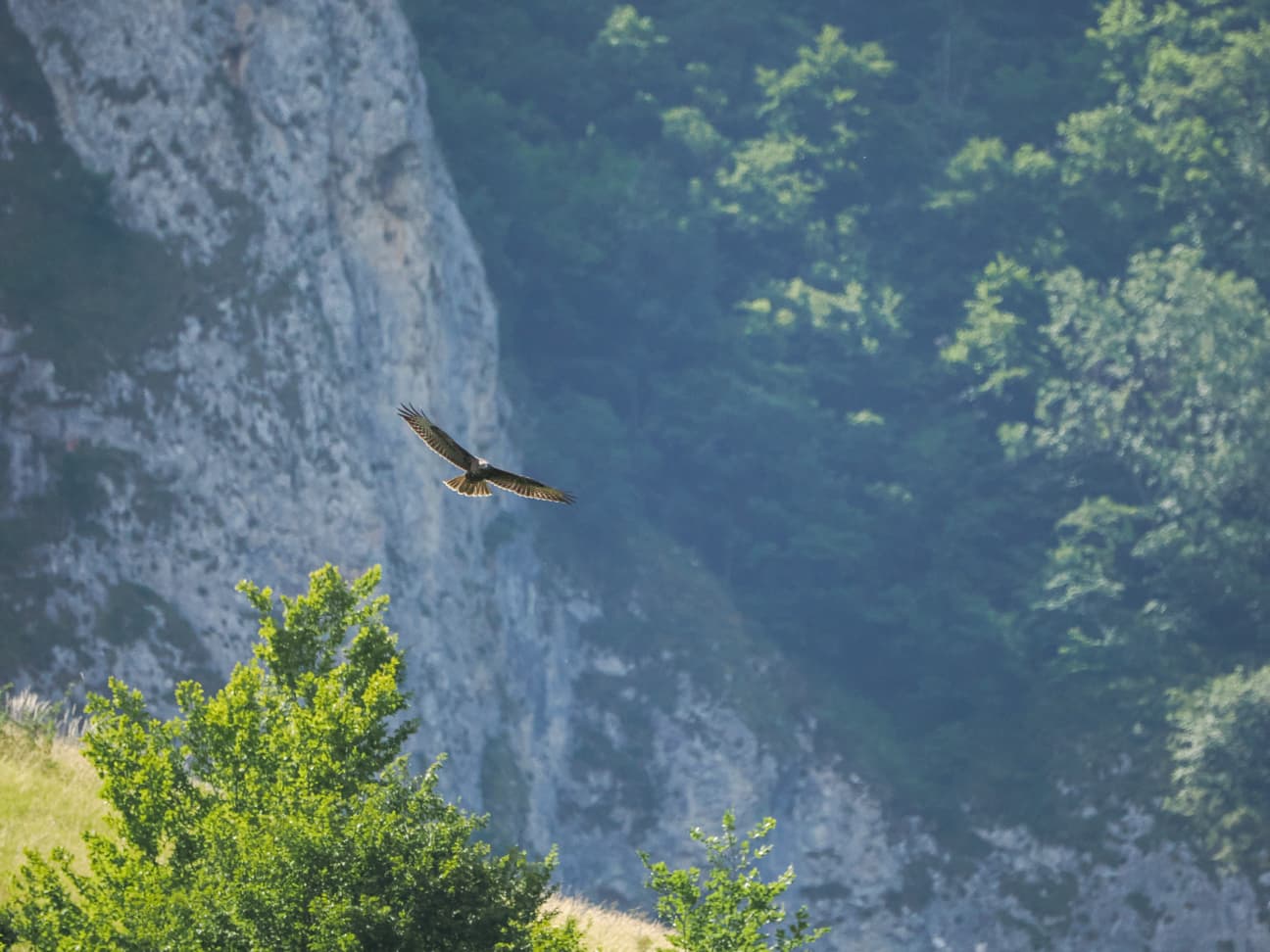
Wildlife Photography and Mental Health
Finding calm outside corporate pressure, even without a good photograph.
Field note
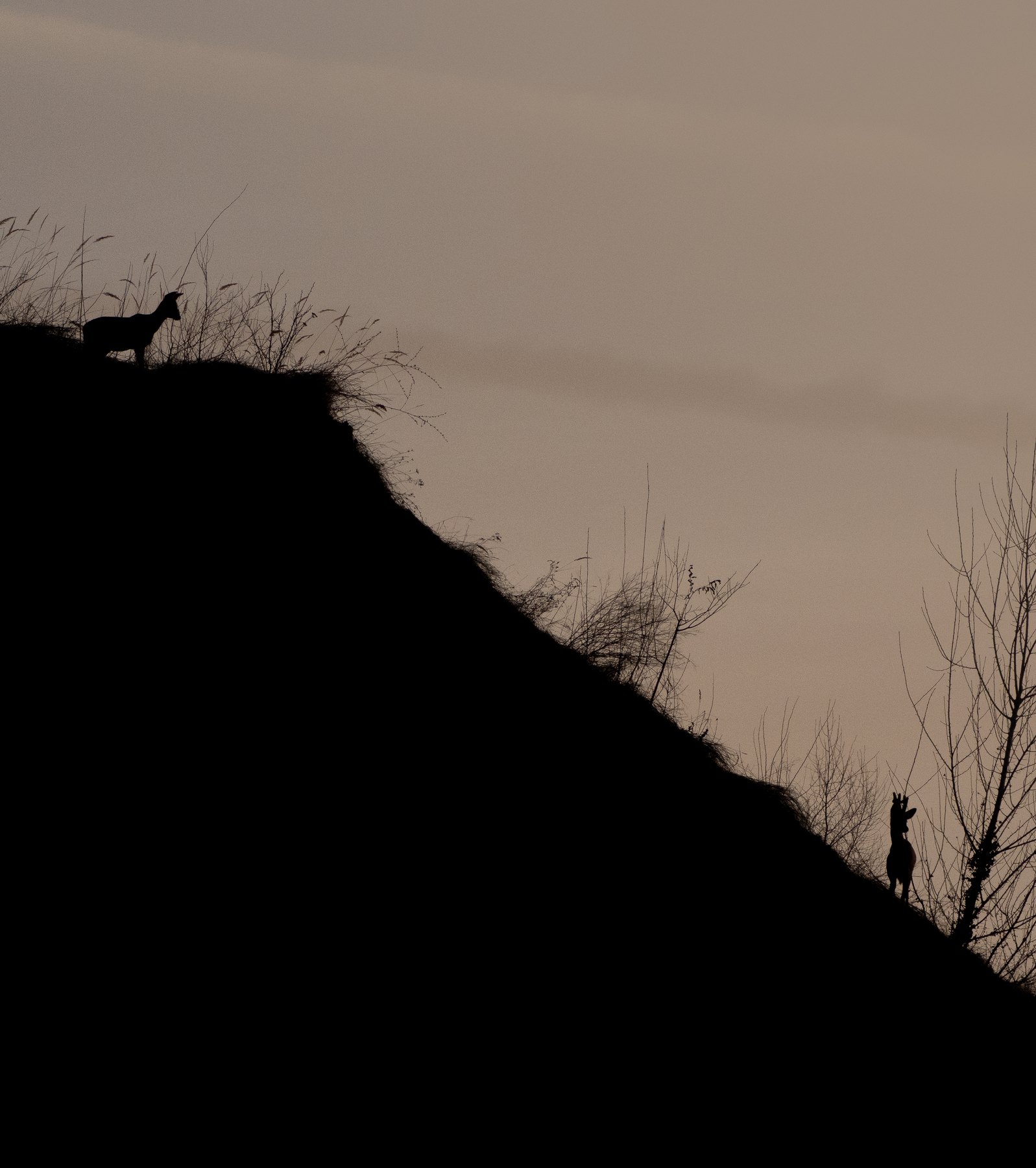
Getting Close Without Disturbing
How to approach wildlife without changing its behaviour.
Guide
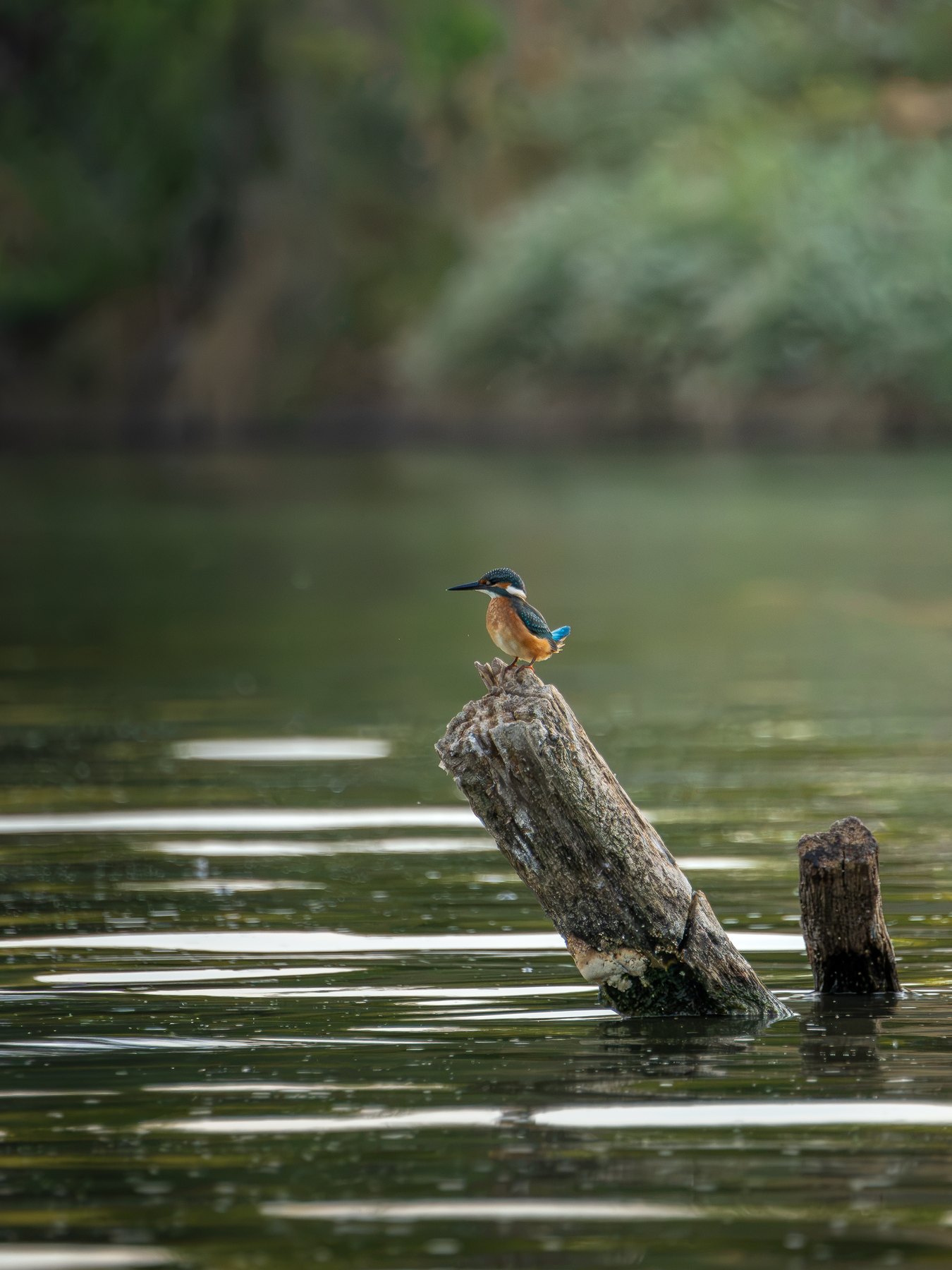
Bird Photography from the Field
Where to look, how to wait and which settings to use.
Questions about the photos, the settings or the gear?
Write to me below — I read every message and reply when I'm back from the field. You can also email me directly at nick.usor.peter@gmail.com.
Wild By Nick — researched article by Nick Ungureanu. Photographs credited individually; only the Pajiștea Petricani photographs are by Nick.