The Camera I Use for Wildlife Photography — and Why
An honest field review of the small, weather-sealed kit I carry for wildlife — not a spec-sheet comparison.
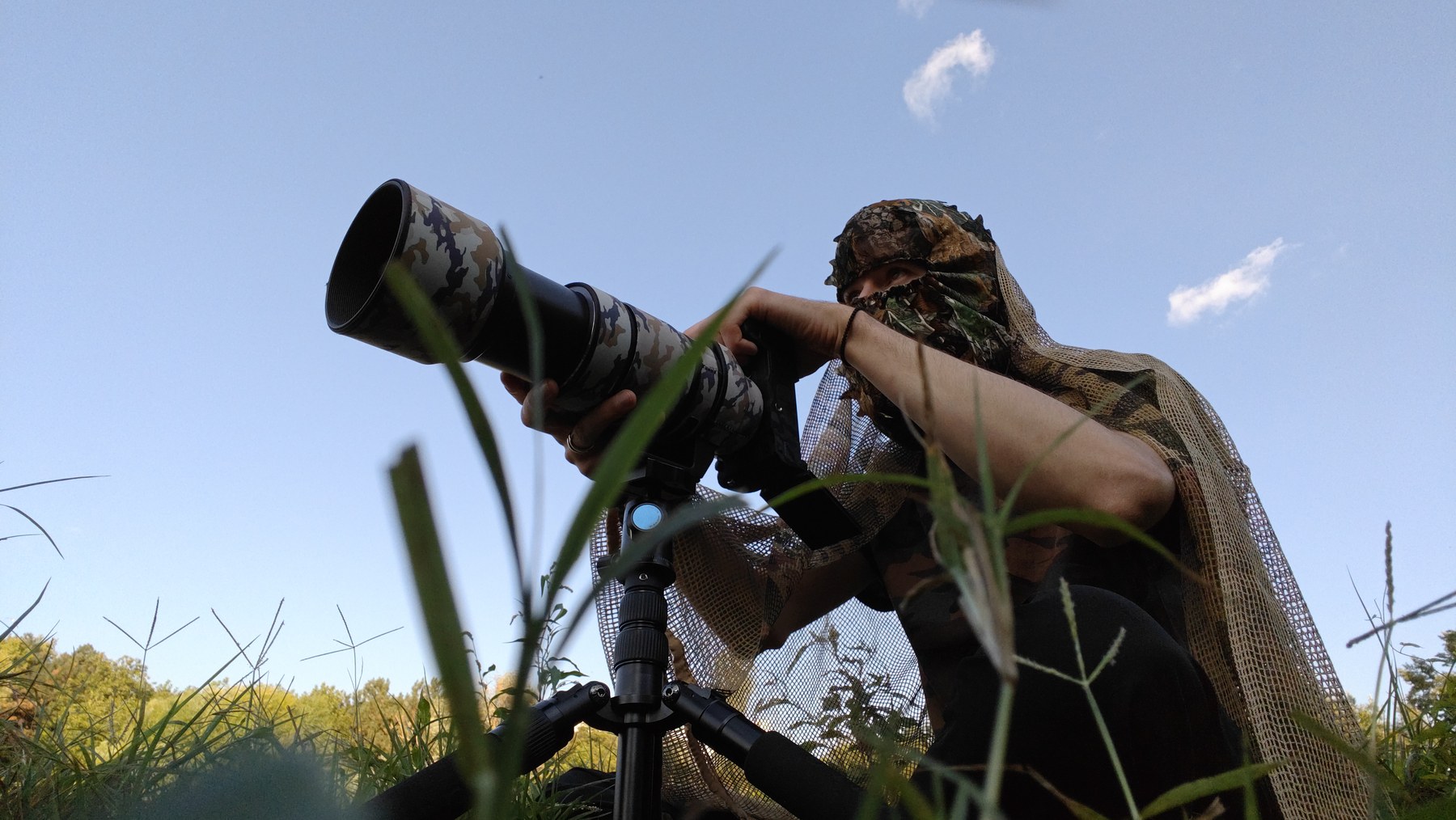
Gear questions are the first thing people ask me. Almost always right after “what is that bird?” comes “what camera is that?” — and I understand why. When you’re starting out, it’s tempting to believe the difference between your photos and the ones you admire is inside somebody else’s camera bag.
So here’s an honest answer, not a spec sheet.
My kit
- Body: OM SYSTEM OM-1 Mark II
- Wildlife lens: OM SYSTEM 100-400mm f/5-6.3 IS II
- Everything else: Olympus M.Zuiko 12-40mm f/2.8 Pro
That’s it. One small bag, one body and two lenses.
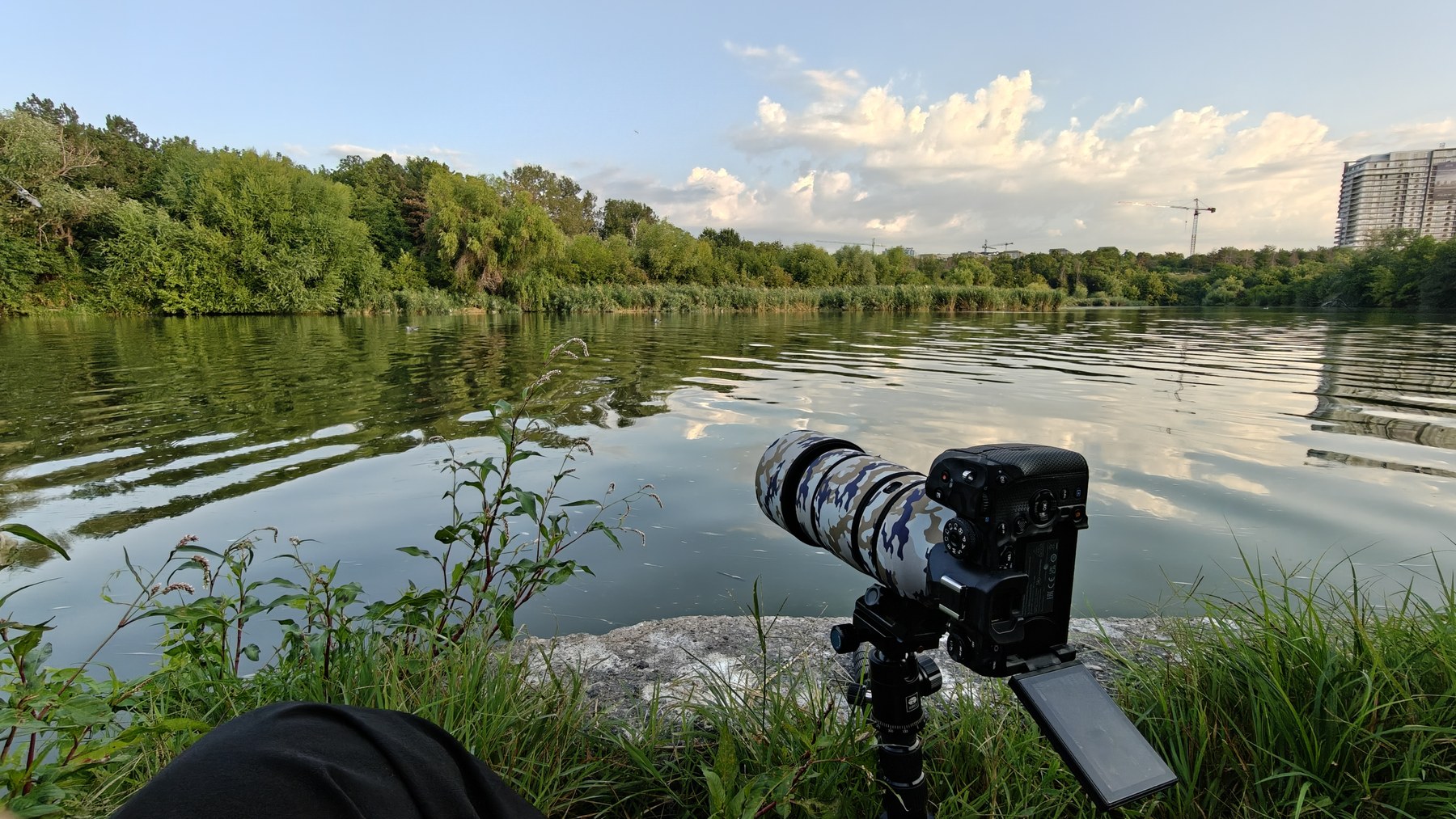
Why such a small system?
Micro Four Thirds divides people into two camps, and I understand the argument against it. But I chose it deliberately, and after a year with the OM-1 Mark II — and years before that with an Olympus OM-D E-M5 Mark II and a Panasonic Lumix G80 — I’d choose it again.
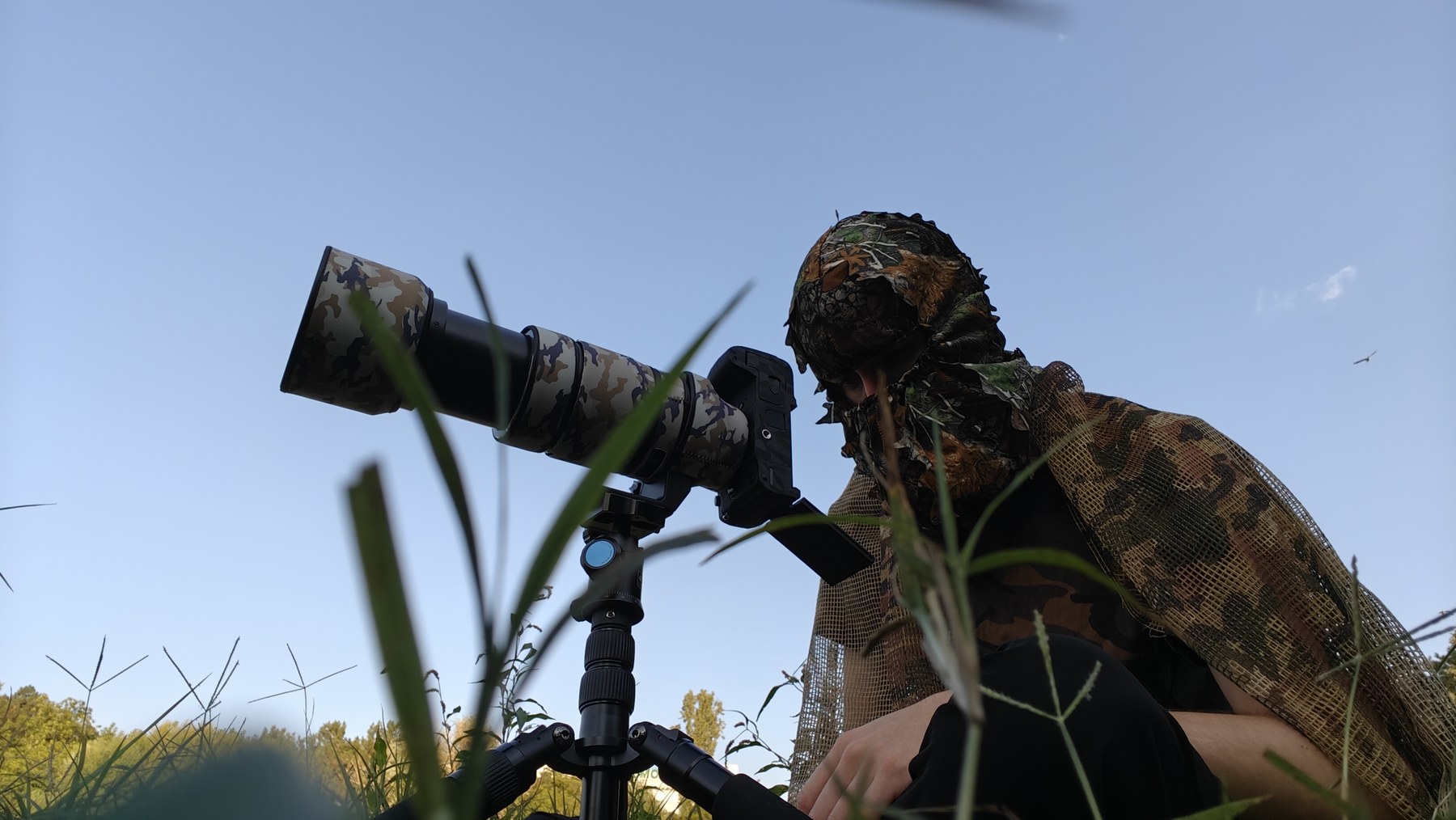
Reach without the weight. On a Micro Four Thirds body, my 100-400mm gives me a 200-800mm full-frame-equivalent field of view. That is serious wildlife reach, attached to a lens I can carry all day on a single shoulder strap. When your method is walking forest edges at first light and standing in a hide for two hours, every extra kilogram is a tax on how far and how long you can stay out.
Weather sealing I trust. This system has been out with me in cold mornings, damp air and dust, and it has never once made me turn back. Reliability matters more than any number on a box. A camera you don’t have to baby is a camera that gets used.
Stabilization that changes how you shoot. The stabilization in the OM-1 Mark II is good enough that I shoot handheld in situations where I’d otherwise need a tripod — tracking a bird, reframing as it moves, holding the shot while it settles. For the way wildlife actually behaves, that freedom is worth a lot.
The price of the whole system. A comparable full-frame telephoto setup costs significantly more than my entire kit. The money I didn’t spend on glass stayed in my pocket, and my photos don’t suffer for it in the field.
How it performs for wildlife
This is the part that matters. The autofocus with subject detection locks onto a bird’s eye and holds it — in my swan story, the camera kept continuous focus on the eye through a full display while I composed and waited. Shutter speeds like 1/6400 in bright morning light are handled without hesitation, and the camera doesn’t flinch at high sensitivities when the light drops.
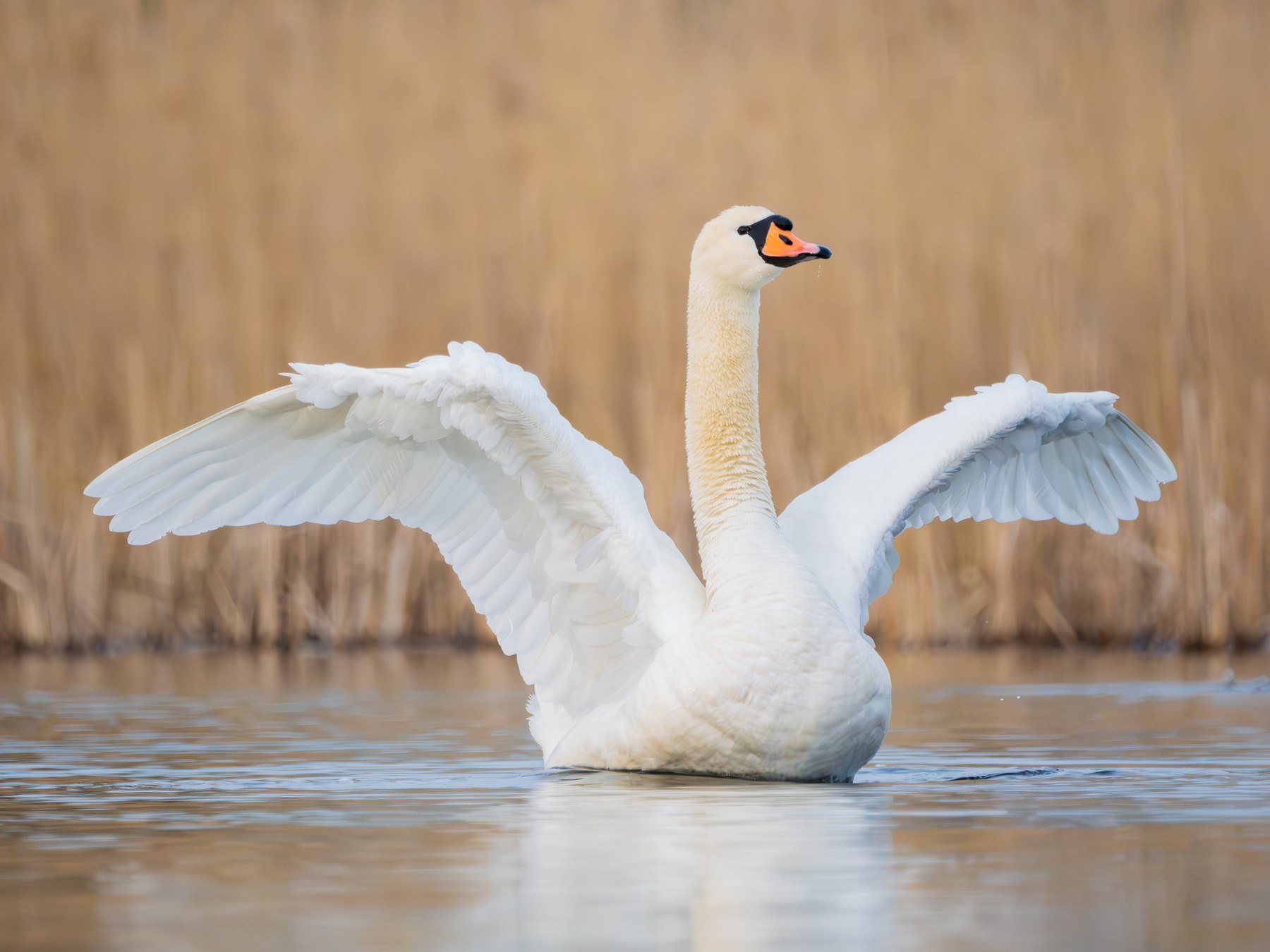
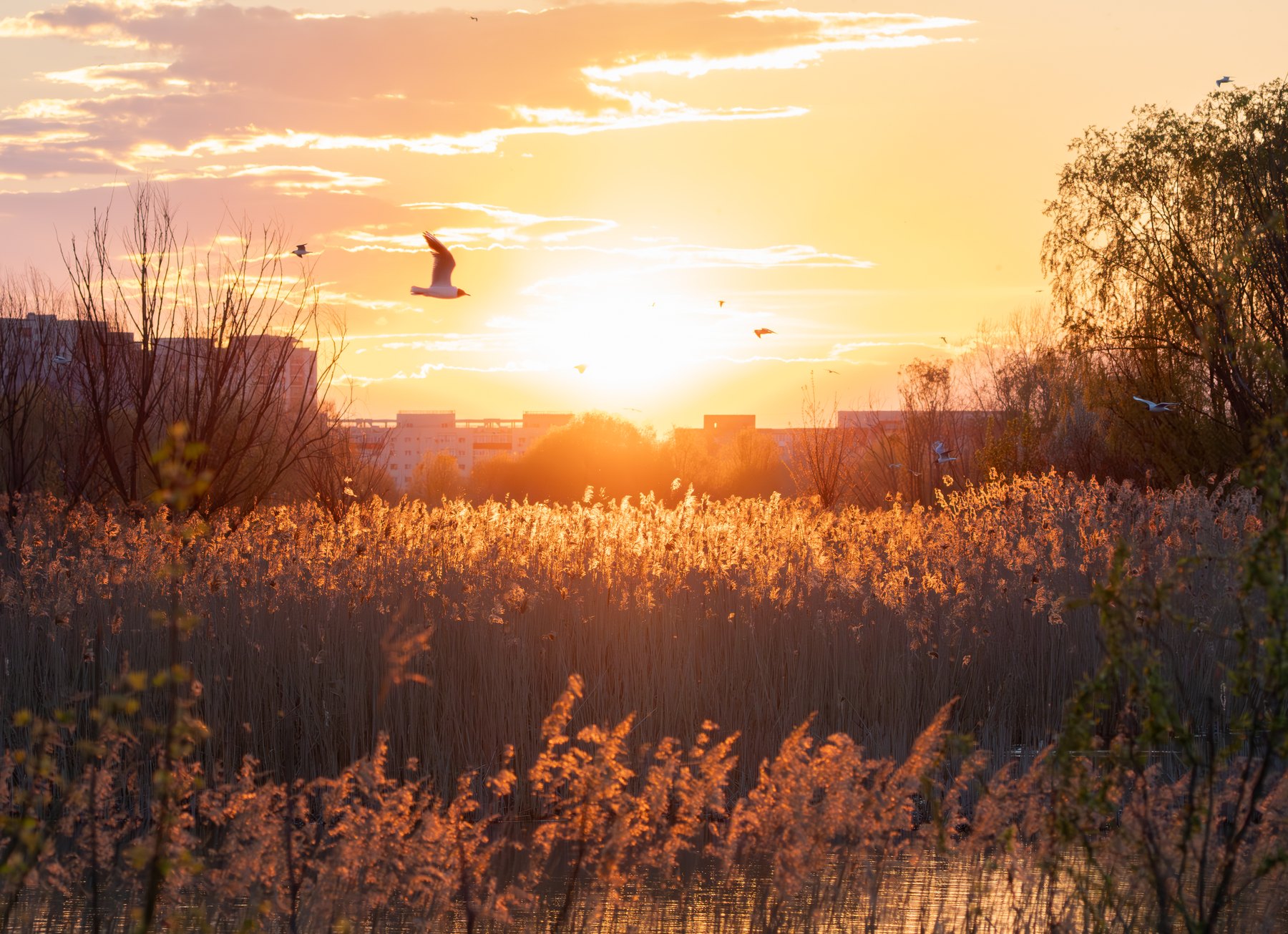
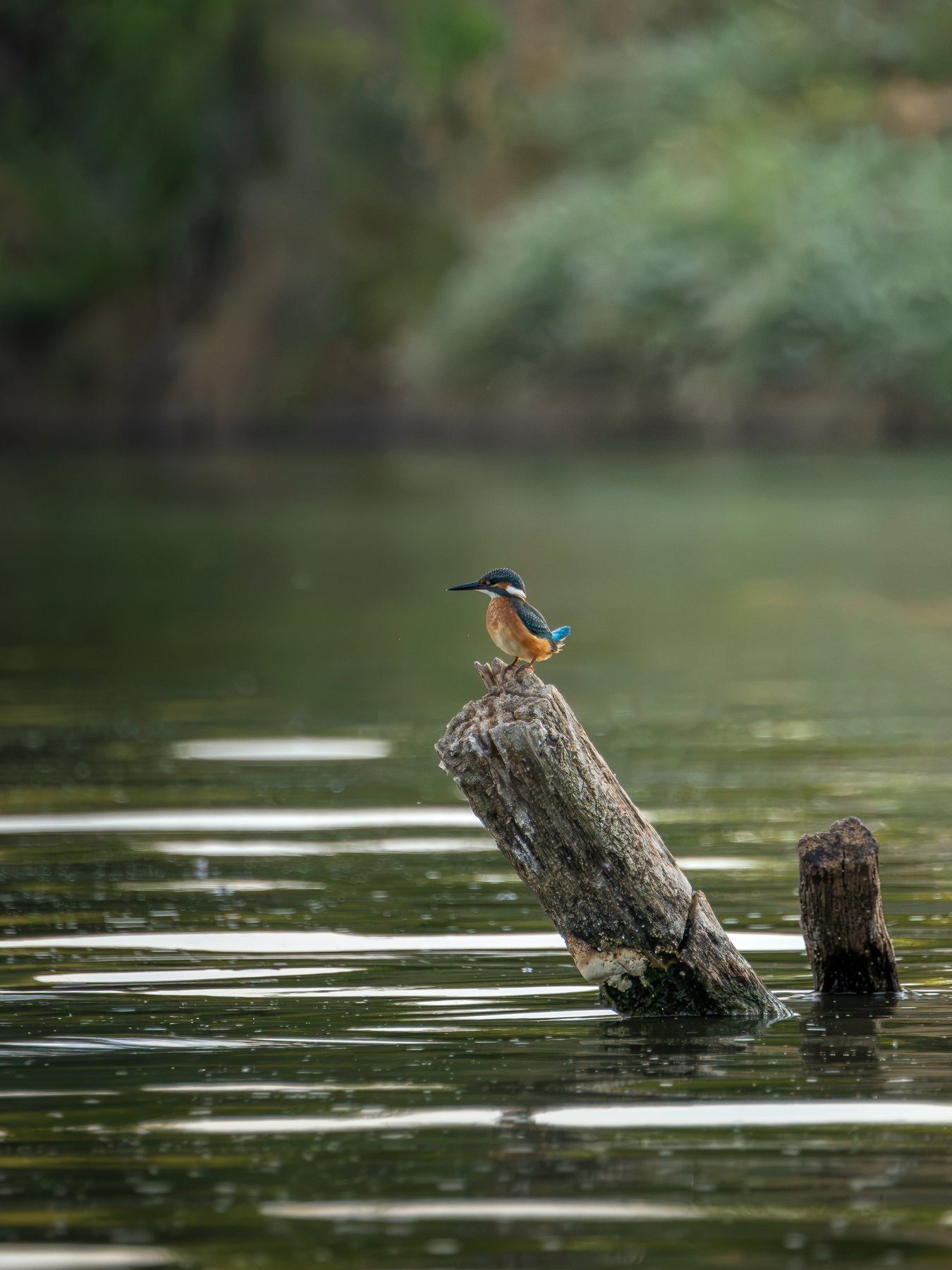
When the light does fall away — overcast forest, the last minutes before dark — the honest answer is that I push the ISO further than I would like. That’s the trade.
The honest limitation
The sensor is small. In good light, this is irrelevant. In dim light, it is not: Micro Four Thirds gathers less light than a larger sensor, so low-light work means higher ISO and more noise in the file. It’s manageable — I watch my ISO ceiling, expose carefully, and accept that some shots in deep shade belong to a bigger sensor. If your wildlife is mostly dawn chorus in dark forests, weigh this seriously before choosing the system.
For me, the calculation still lands on the small side: I get keepers because I’m out longer, walk further, and react faster with a lighter kit. A marginal ISO advantage doesn’t help if the camera stayed at home because it was too heavy to carry.
Who it’s for
I’d recommend this system to photographers who want a smaller package without giving up advanced features, who put real-world image quality ahead of sensor size on paper, and who value portability and OM SYSTEM’s intuitive controls. If you’re building a first wildlife setup and you’re worried about cost, the math is firmly in this system’s favor.
I wouldn’t recommend it to someone whose entire week happens in low light and who prints wall-sized crops from deep shade. That photographer should look at larger sensors and accept the weight and the price that come with them.
The verdict
A year in, the OM-1 Mark II has done everything I’ve asked of it and never given me a reason to doubt it in the field. It is fast, it is sealed, it is small, and it is honest about the one thing it doesn’t do as well as bigger cameras.
The best camera for wildlife photography is the one that’s still comfortable after three hours of waiting. For me, that’s this one.
Wild By Nick — Gear Reviews. Photographs and words by Nick Ungureanu.