Birds
Eurasian Collared Dove
Streptopelia decaocto · Guguștiuc
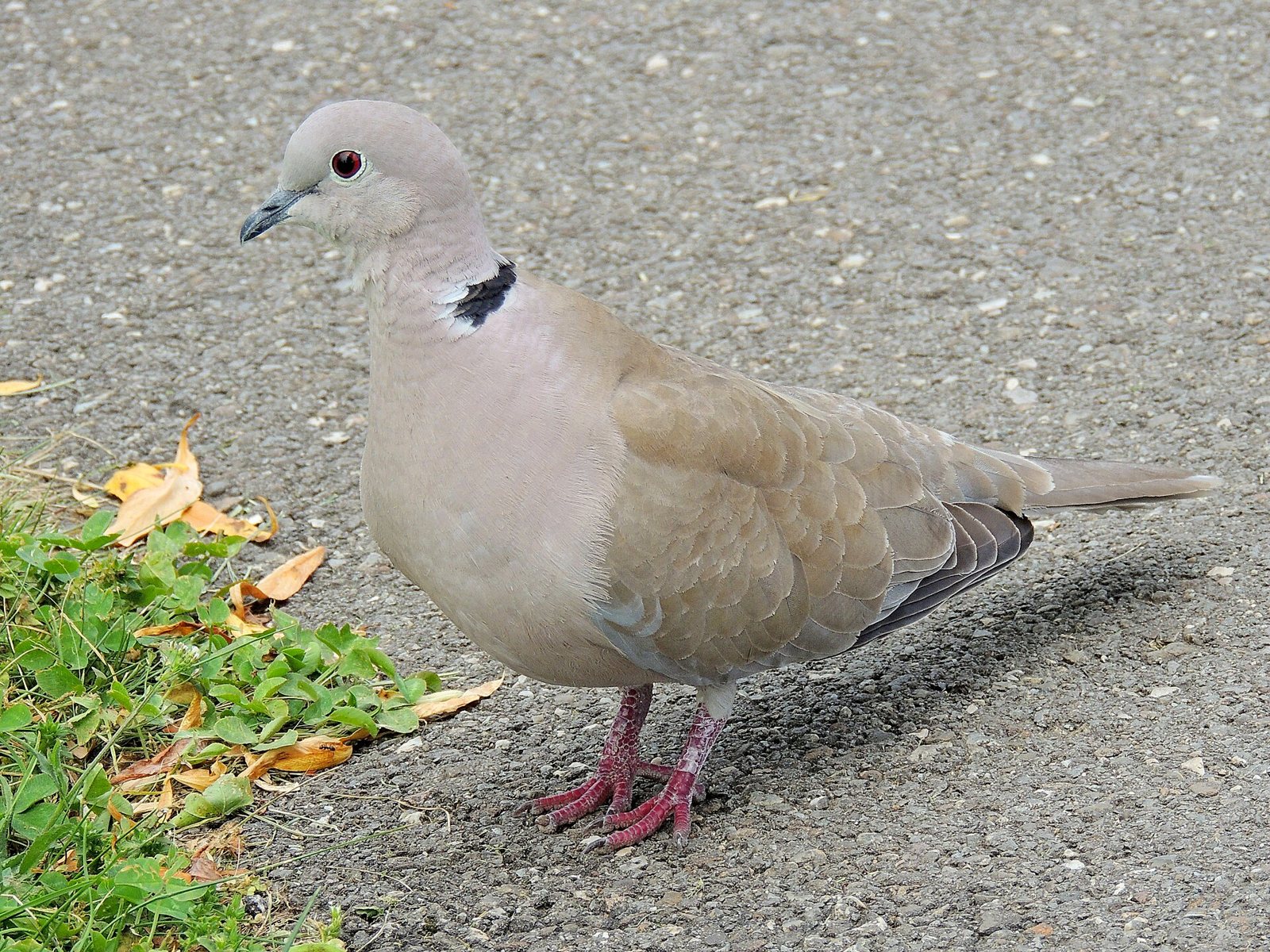
A pale dove with a black half-collar, common in villages and towns.
At a glance
- Status in Romania
- Resident
- Habitat
- Urban
- Activity
- Morning · Daytime
- Diet
- Mainly plant food — seeds and fruit — occasionally snails and insects.
- Conservation status
- Least Concern (IUCN)
- Photography difficulty
- Easy to observe
Photography Guide
Practical starting points based on the species’ behaviour and habitat, not fixed rules.
- Where and how to look
- Any village or town.
- Best time / activity
- Morning · Daytime
- Photography difficulty
- Easy to observe
- Ethics
- Keep away from nests, do not use playback in the breeding season, and let the bird decide how close it comes.
Identification
Pale sandy-grey dove with a narrow black half-collar on the nape.
Habitat
Since its range expansion, closely tied to human settlements.
Distribution
Breeds across Romania except the mountains, most abundant in the southern lowlands.
Approximate range in Romania
Diet
Mainly plant food — seeds and fruit — occasionally snails and insects.
Behaviour
Its three-note cooing is one of the commonest sounds in villages.
Seasonality in Romania
Breeds in Romania and is resident.
- JanPresent
- FebPresent
- MarPresent
- AprPresent
- MayPresent
- JunPresent
- JulPresent
- AugPresent
- SepPresent
- OctPresent
- NovPresent
- DecPresent
Source-verified months inform the seasonal filters. Local timing can vary. Unconfirmed months do not imply absence. * Event timing retained from the earlier entry, not yet source-verified.
Breeding
Can breed all year, mostly March–October.